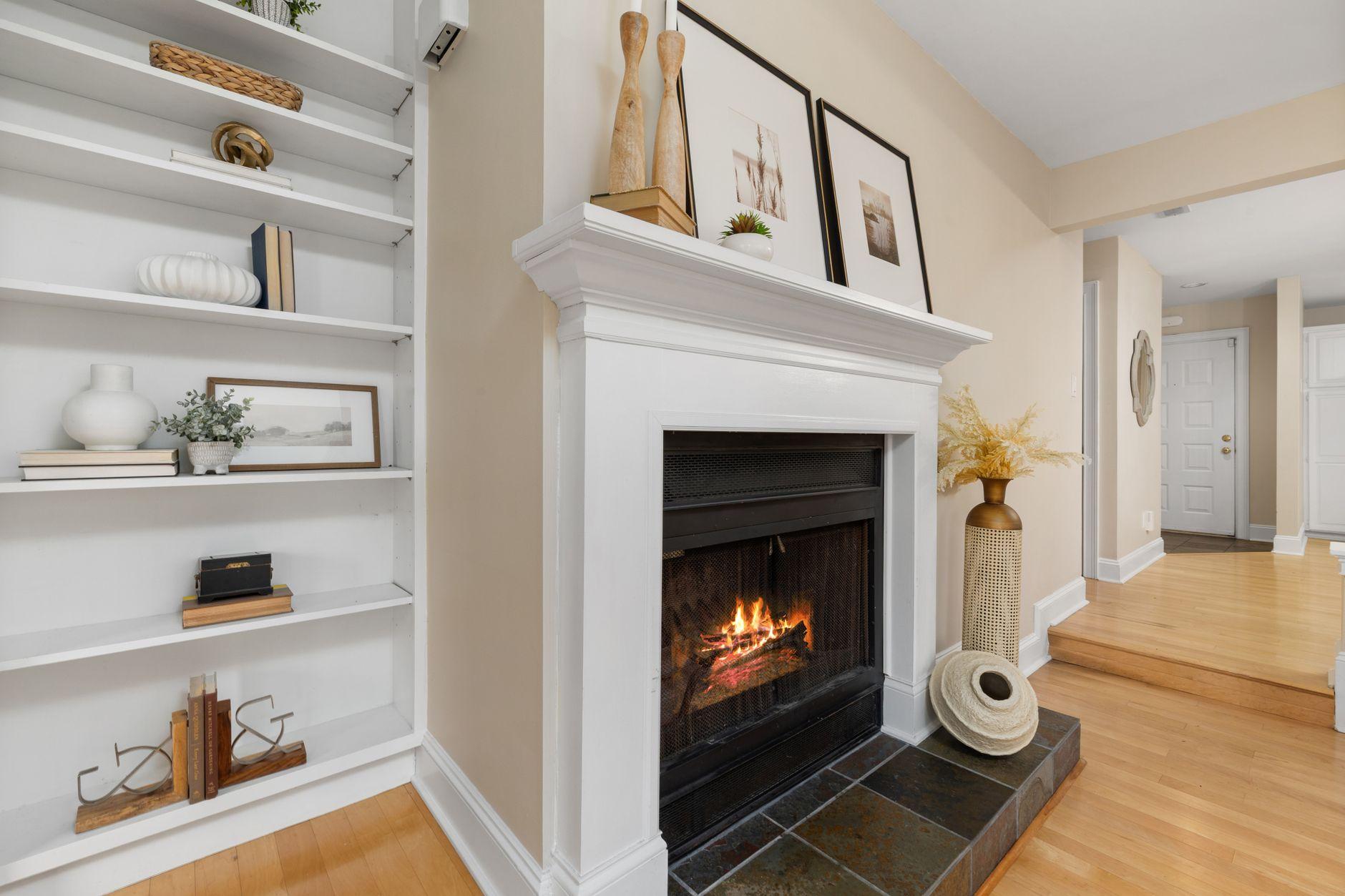
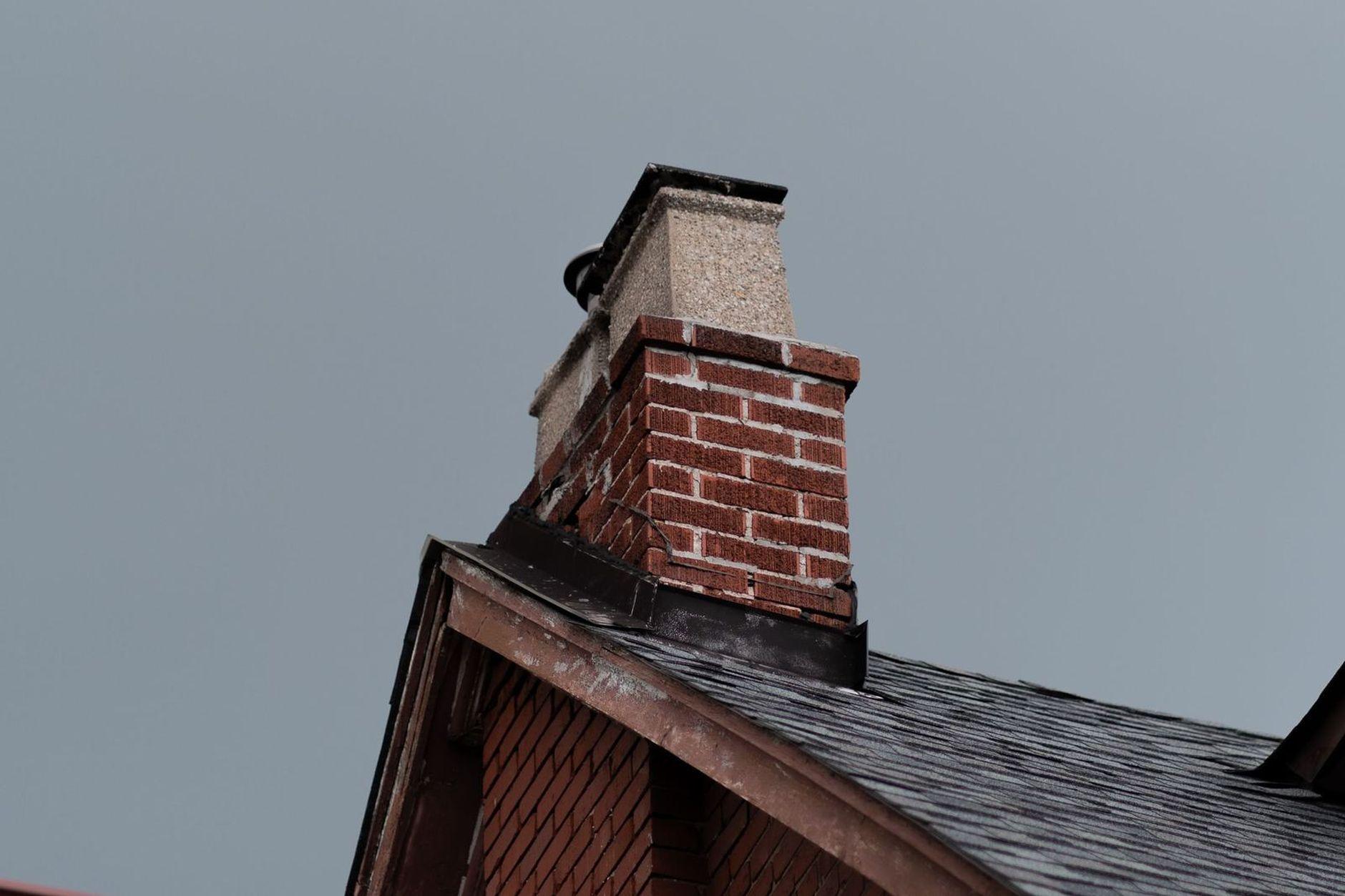
Look up at a house in Sherman Oaks with a factory-built fireplace and the chimney you see is not a chimney in the masonry sense. It is a framed box, sheathed and finished to match the walls, with a metal pipe running up the middle of it. The flat piece of sheet metal across its top, with a collar where the pipe comes through, is the chase top. Roofers call it a chase cover or a chase pan. On a lot of Valley houses it is the cheapest part of the whole fireplace system and the one that lets the most water in.
Why chase tops rust
Most original chase tops were plain galvanized steel, bent into a shallow tray and nailed down. The zinc coating wears off over the years, and the steel underneath starts to rust where water sits. Three habits of the part make it worse:
- It is flat. With no crown or slope in the middle, rain pools around the pipe collar instead of running off.
- It sags. Once the steel thins, the middle dishes down and the puddle deepens with each storm.
- It is nailed through the top. Each nail hole is a small leak once the washer under it dries out.
Valley summers make the steel expand and shrink every day, which loosens nails and splits sealant. Winter rain then finds those gaps. By the time you see orange streaks on the stucco below the chase, the pan has usually been leaking for a while.
Signs from the ground and the room
- Rust stains running down the siding or stucco from the top of the chase
- A rusty or seized damper, or flakes of rust on the firebox floor
- A stain on the ceiling or wall beside the fireplace after rain
- A musty smell from the fireplace in wet weather
- Water spots on the glass doors from the inside
The damper and the firebox floor take the water that gets past the chase top. On a prefab unit, that matters more than on brick: a steel firebox floor that stays wet rusts through, and that can end the life of the whole unit.
Owners often patch the problem from the roof with a tube of sealant around the collar. It buys a season at most. The steel keeps thinning under the sealant, and the next dish in the pan simply moves the puddle somewhere new.
What a good replacement looks like
A new chase top is cut and bent to the actual size of your chase, then fitted with a few details the original usually lacked:
- Stainless or heavier coated steel, so it does not rust out in a few winters
- A raised center or cross-break so rain runs to the edges instead of pooling at the collar
- A skirt that laps down the outside of the chase with a bent edge that sheds water away from the walls
- Fixings through the sides, not the top surface, so there are no nail holes where water sits
- A storm collar on the pipe that sheds water over the top-plate opening, sized to that pipe
The cap above the pipe is part of the same picture. On a factory-built chimney the cap and the top section of pipe belong to the maker's tested set, so we fit the listed cap or a listed replacement for that pipe. We measure the flue before we put a figure on a new chimney cap. Size counts, and so does the choice between a plain termination and a full decorative shroud.
What sets the price of a chase top
There is no flat figure on our list for chase tops, because each one is made for one chase. The price depends on:
- The size and shape of the chase, including any step or bump-out
- The metal and thickness you choose
- Whether the cap and storm collar can go back on or need replacing
- How easy the chase is to reach, which on a two-story hillside house can take more setup
- Whether the framing or sheathing under the old pan has rotted and needs repair first
We measure on the visit, photograph the old pan and what is under it, and give you the price in writing before anything is ordered.
Tell us what you see on the chase and inside, and we will set a measuring visit
When the water has already done damage
If rain has been getting past a chase top for years, the job may be larger than the pan. The plywood under it can be soft, the framing at the top of the chase can be stained or rotted, and the damper and firebox floor may be rusted. We look at all of it on the same visit. Where the work grows into tracing and fixing a leak around the chase, our chimney leak repair range is $585 to $3,500. Damper and panel parts inside the box get their own written price once the model is known. Our post on leaks in a framed chimney chase covers the other ways water gets in.
Where we see this most
Across Sherman Oaks, Burbank, Calabasas and Santa Clarita, many houses built or remodeled from the 1970s onward still wear their first chase top. Plenty of them have never been looked at since the house was finished. A visit from our chase cover service pairs well with a look at the fireplace itself, so the report covers the rust on top and what it has done below.
If you have spotted rust on the chase or the damper, use the contact page to tell us the address and where the stains show, and we will arrange the visit.
Need This Done on Your Fireplace?
Graves orders panels, dampers, caps and chase tops by model, then writes up the scope and price before fitting anything. Crews work out of Sherman Oaks and cover Burbank, Calabasas, Santa Clarita and the cities around them.